 English
 Spanish
 French
 German
 Italian
 Russian
 Korean
 Chinese (Simplified)
 Japanese
 Hindi
Hindi
A Travel Photo Journal
THE DORDOGNE REGION, SOUTHWEST FRANCE
by Compass & Key
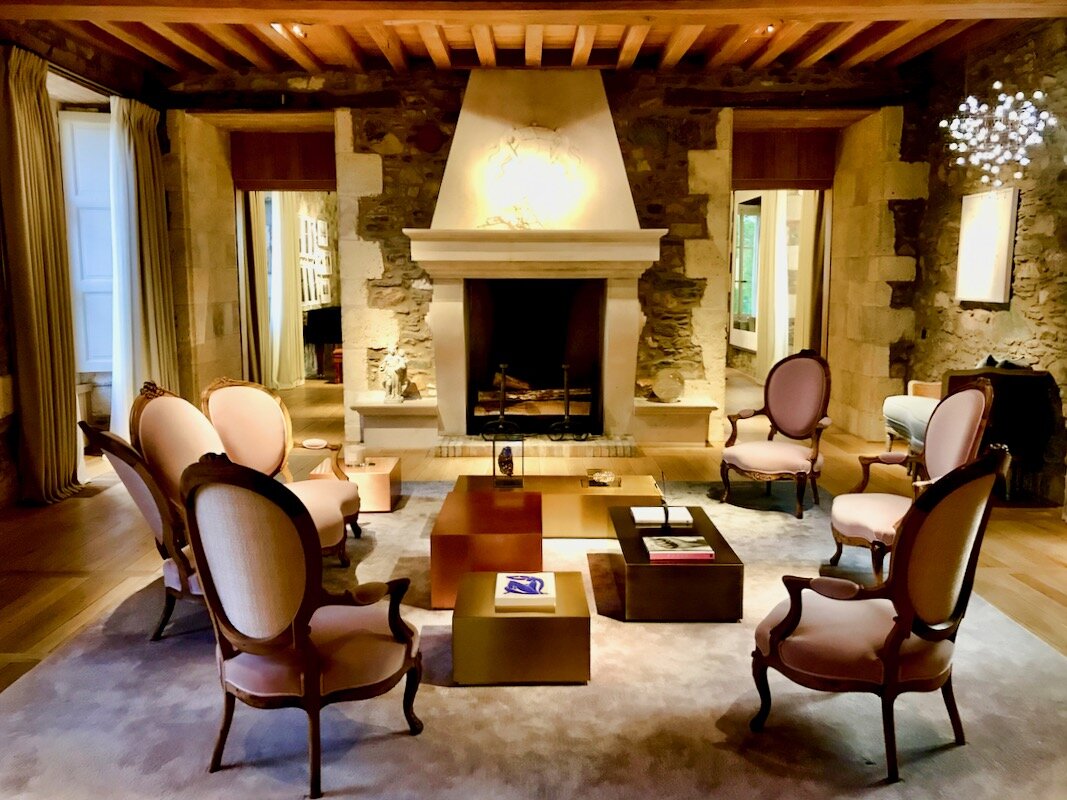
One of the elegant lounges in the chateau, featuring a mix of antiques, artwork, and unique objects.
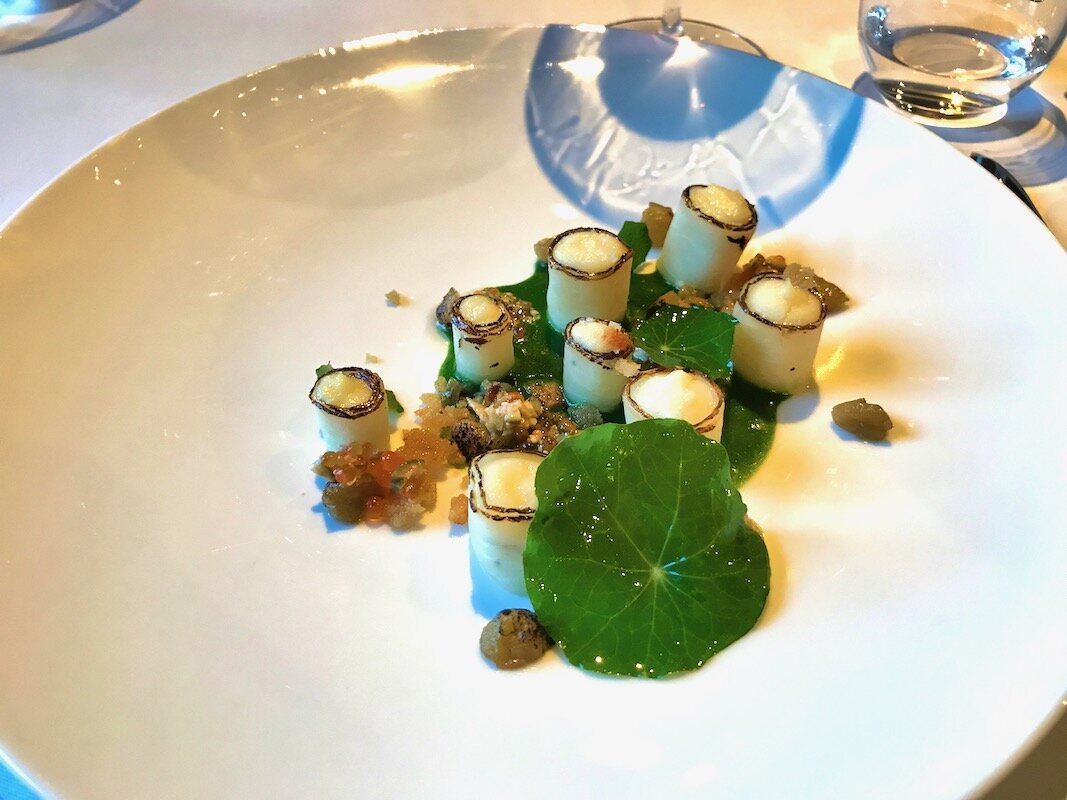
The incredible tasting menu at Dyades, the Domaine des Etangs Michelin-starred restaurant. The service was friendly and attentive.
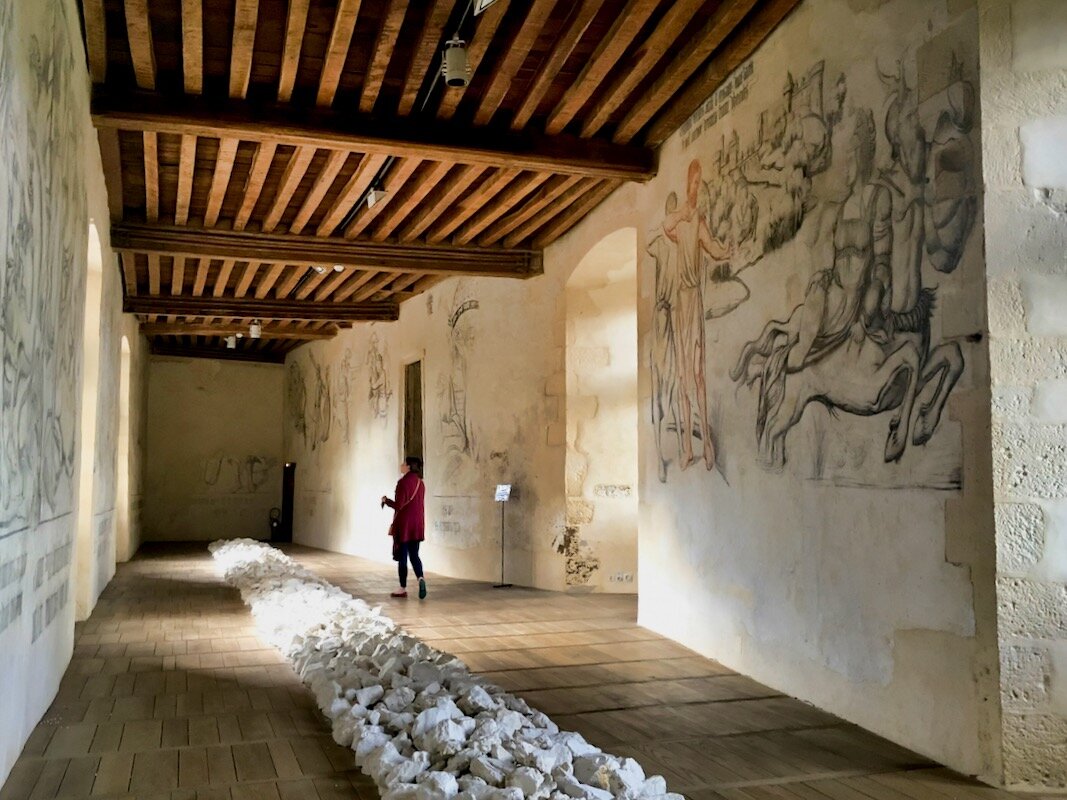
One of the artworks at Rochechouart Contemporary Art Museum, juxtaposed within the historic rooms of the chateau and its preserved colorful wall frescoes.
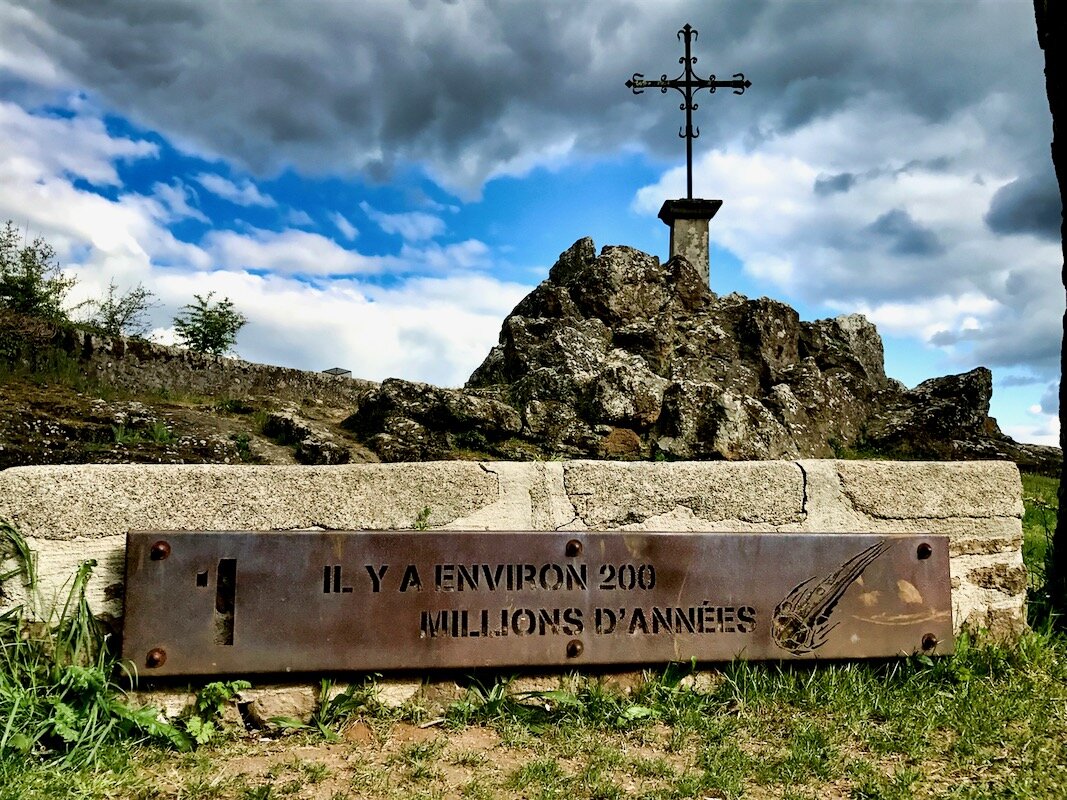
The site of the Rouchechouart Crater, where an asteroid is estimated to have impacted this site around 200 million years ago. We stumbled upon this while wandering the gardens beyond the museum.
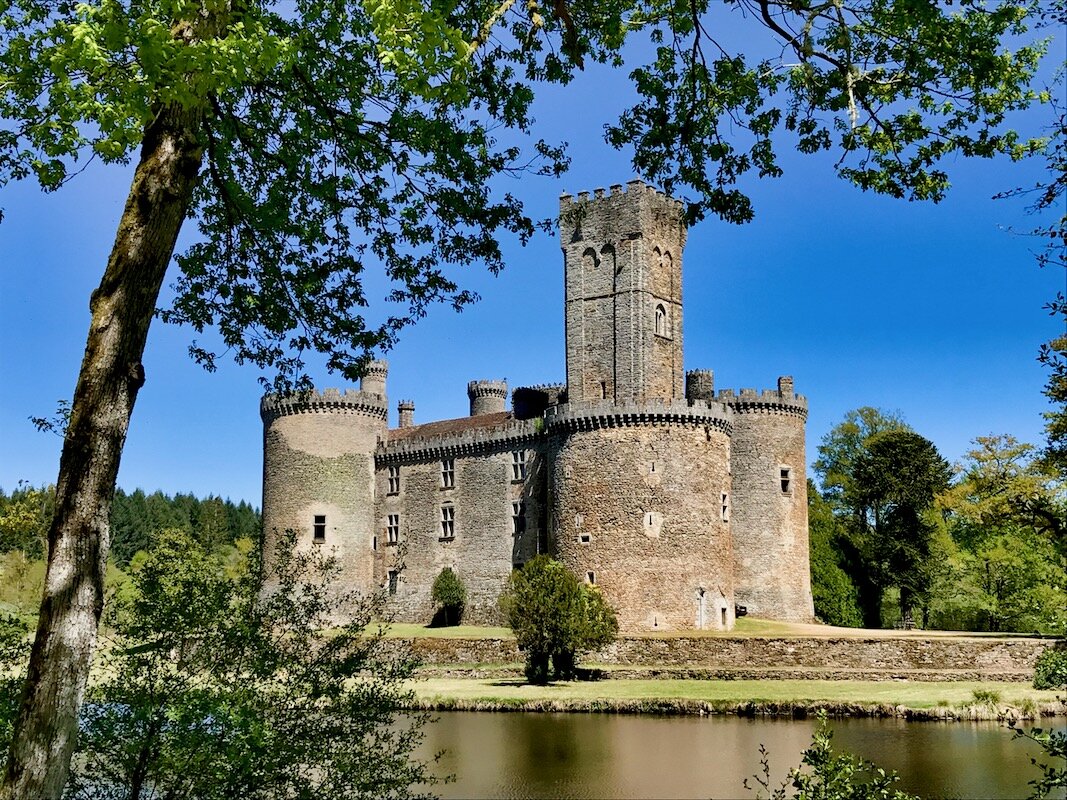
The Château de Montbrun, a well-preserved medieval castle, which is privately-owned but still worth a stop to admire.
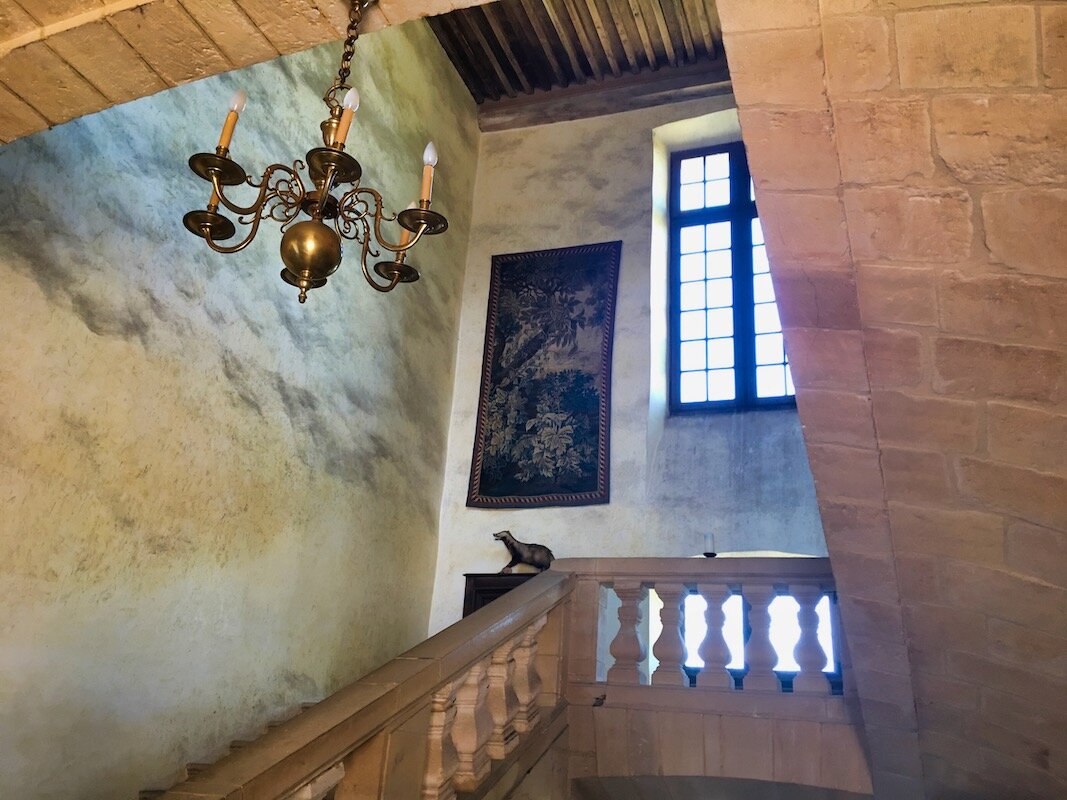
The interiors of the Château de Jumilhac, dating to the 15th-century and also privately owned, but still open to the public.
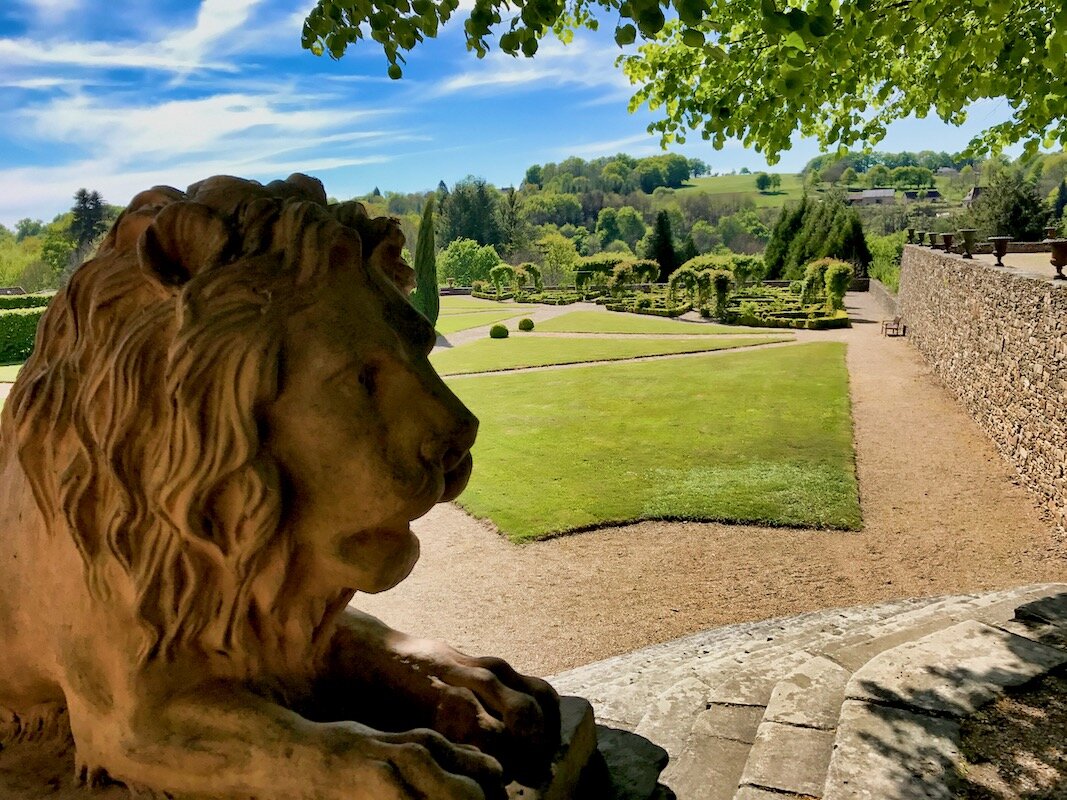

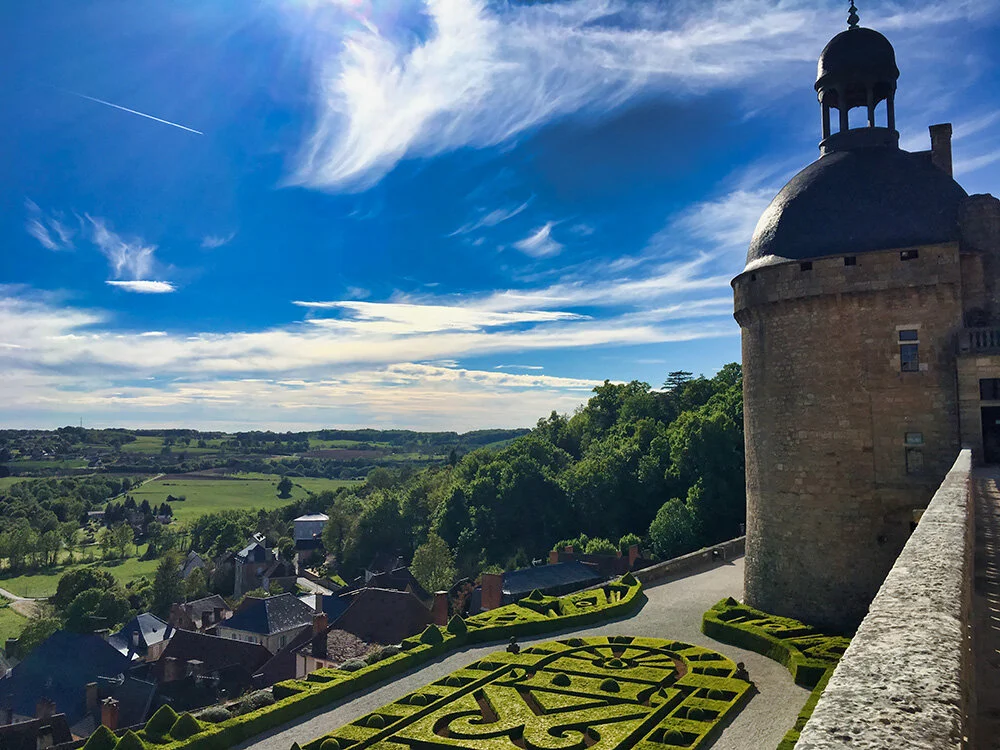
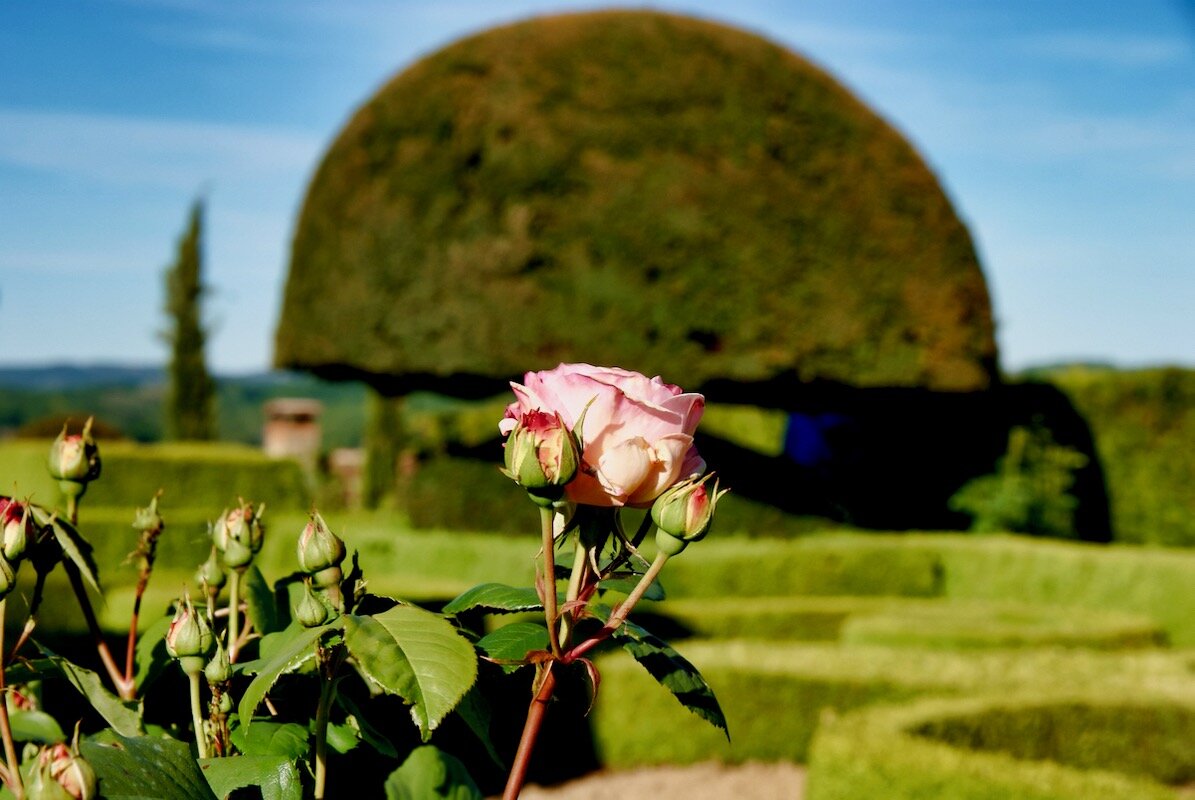
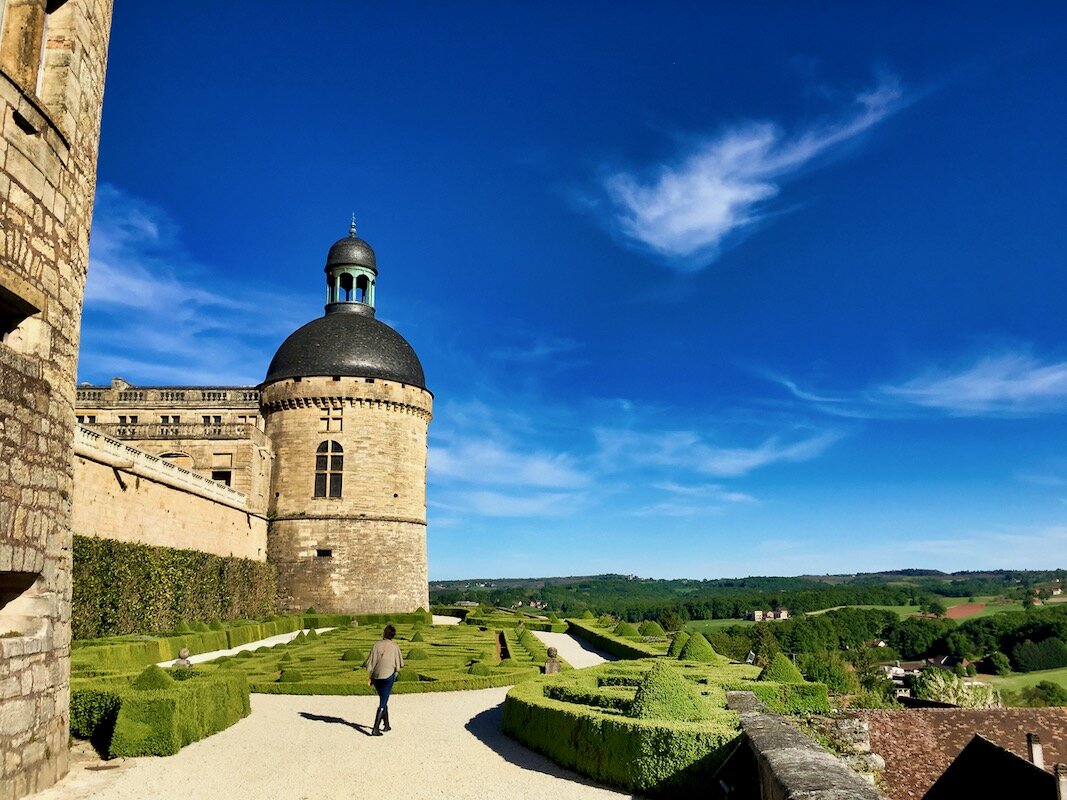
The Château de Hautefort, a medieval fortress turned into a magnificent country residence in the 17th century.
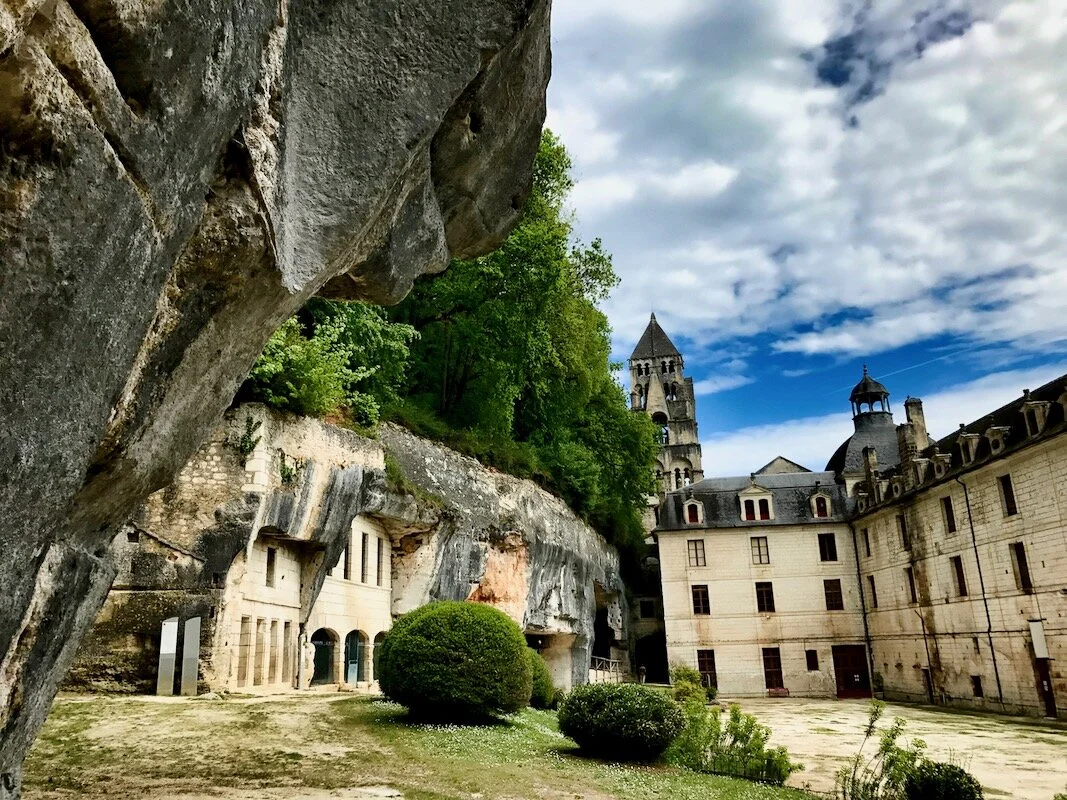
Brantôme Abbey, founded by Charlemagne in 769, according to legend. Part of the abbey was built into the cliffs.
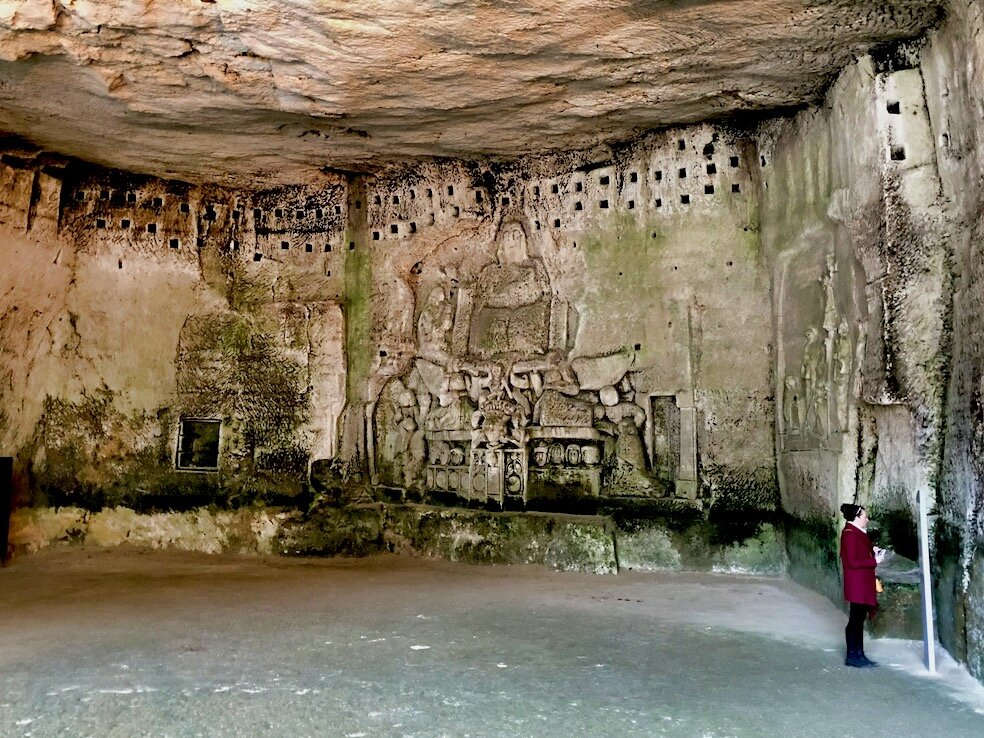
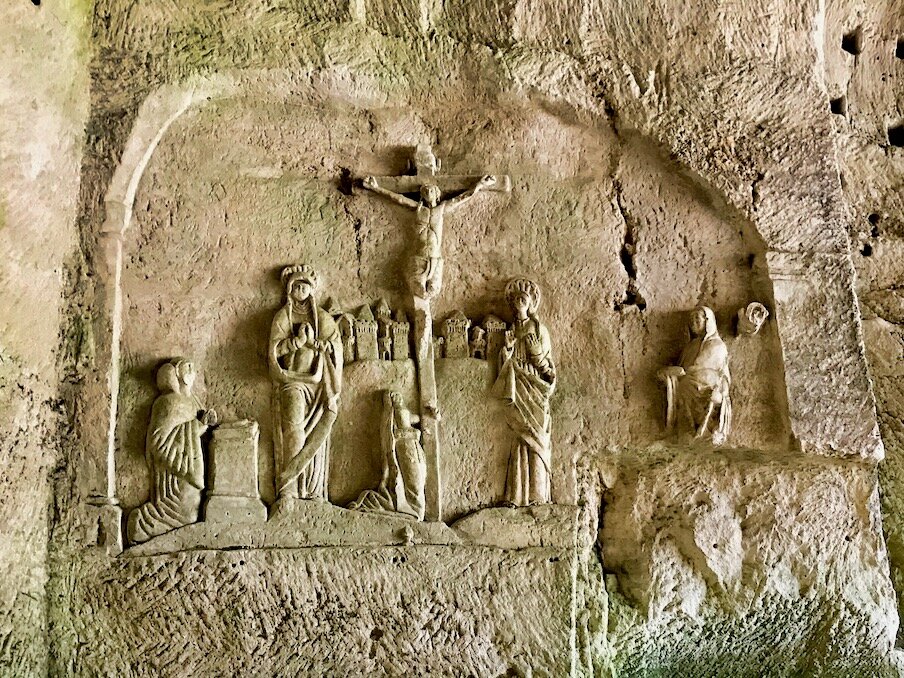
One of a dozen caves at Brantôme Abbey, which were used as dwellings and a site of worship.
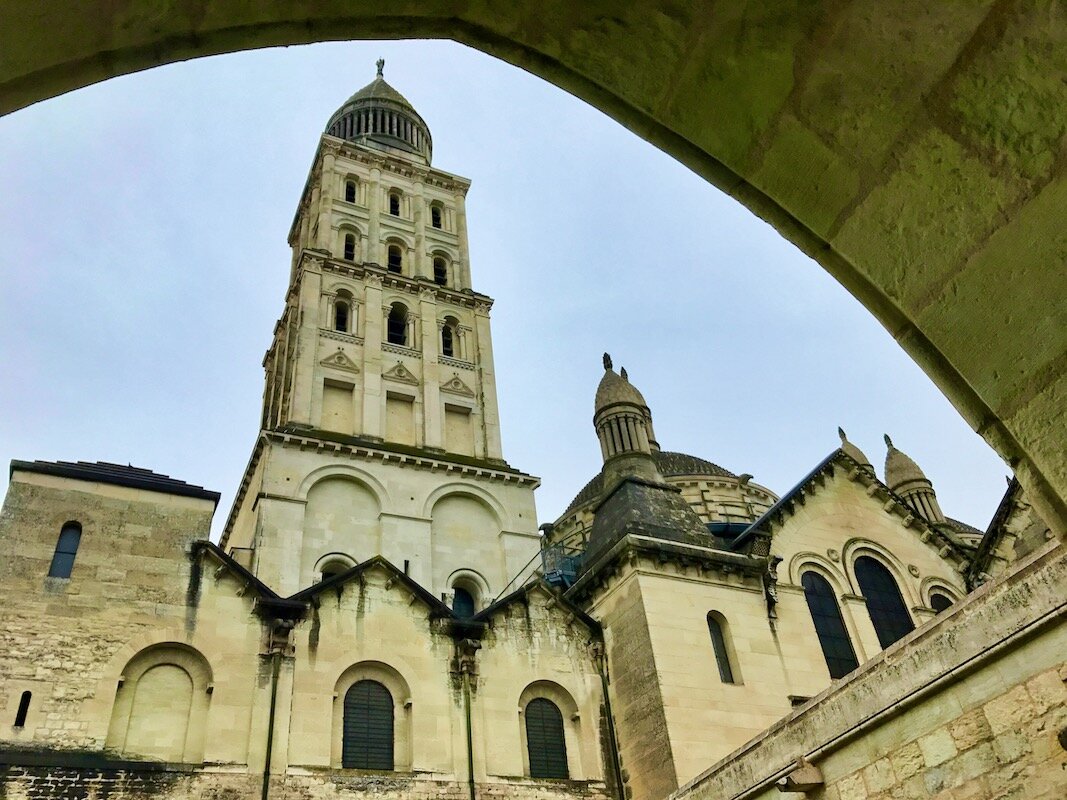
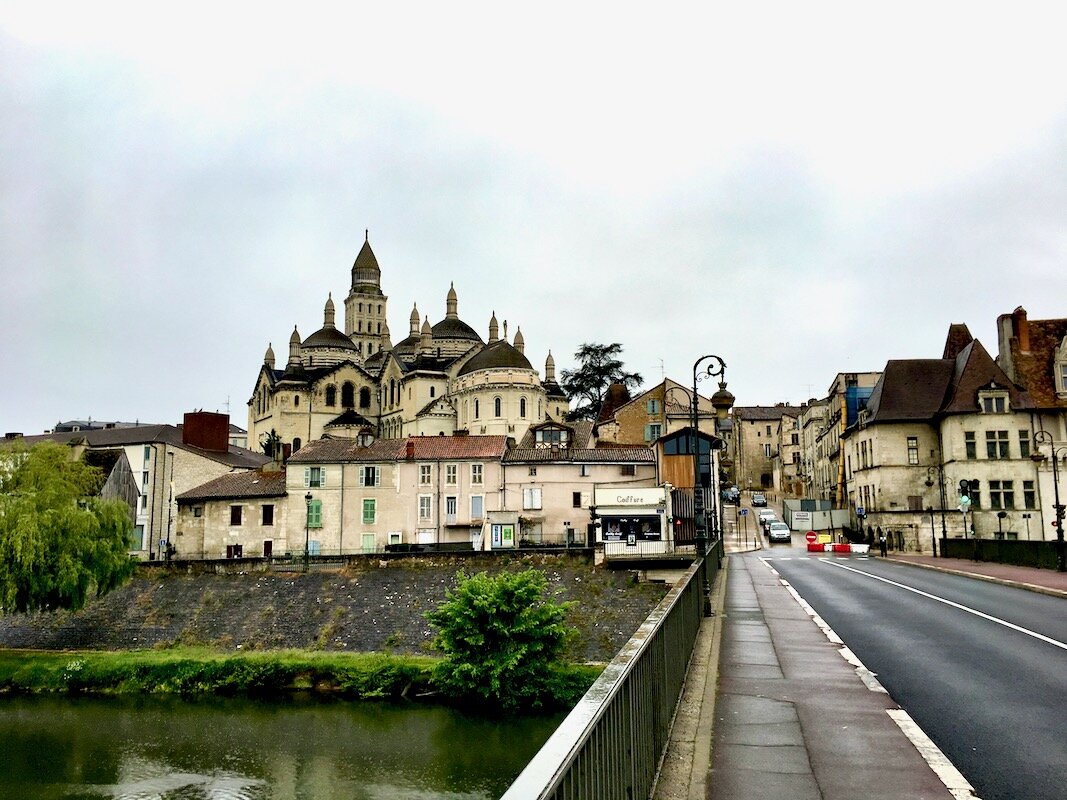
St-Front Cathedral, a World Heritage site dating to the 12th century, located in the center of the charming village of Périgueux.
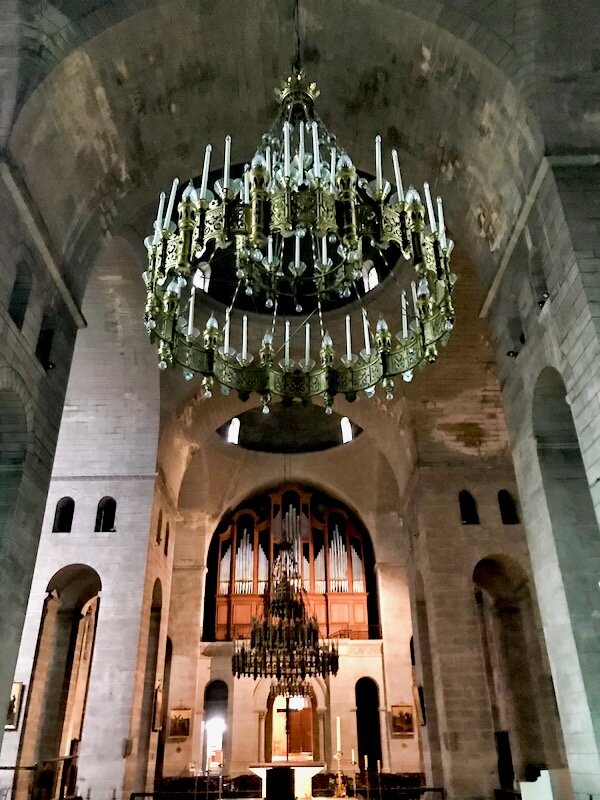
One of the three grand chandeliers in the interior of St-Front Cathedral, rebuilt and restored in the mid-19th century.
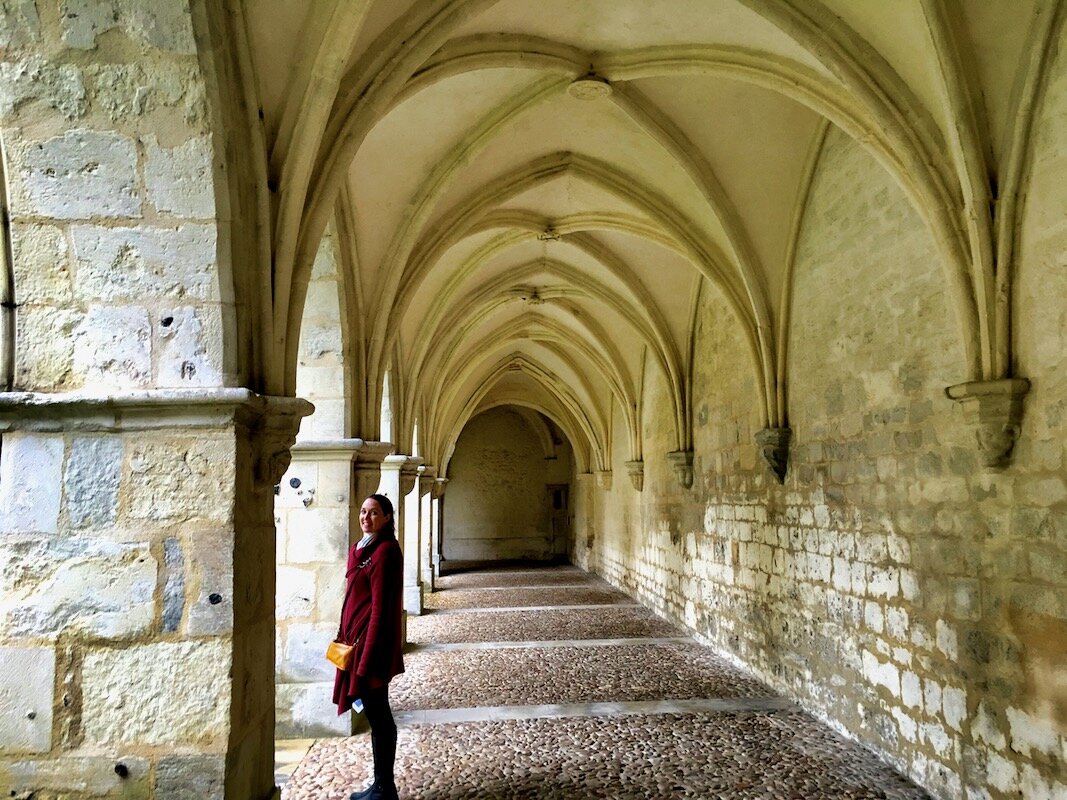
The Romanesque cloisters of St-Front Cathedral in Périgueux, one of two sections that remain of the original monastery.

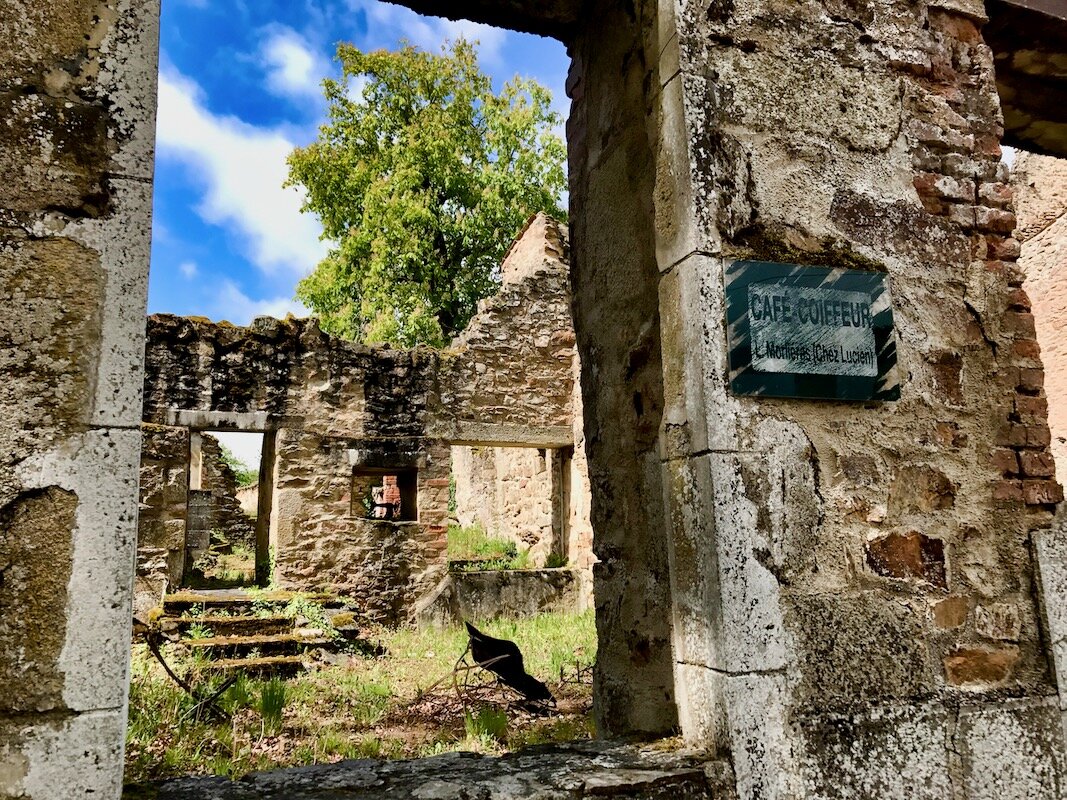
A stark reminder of the impact of war at Oradour-sur-Glane, a village that was destroyed by Nazi troops at the end of WWII and preserved as a memorial.
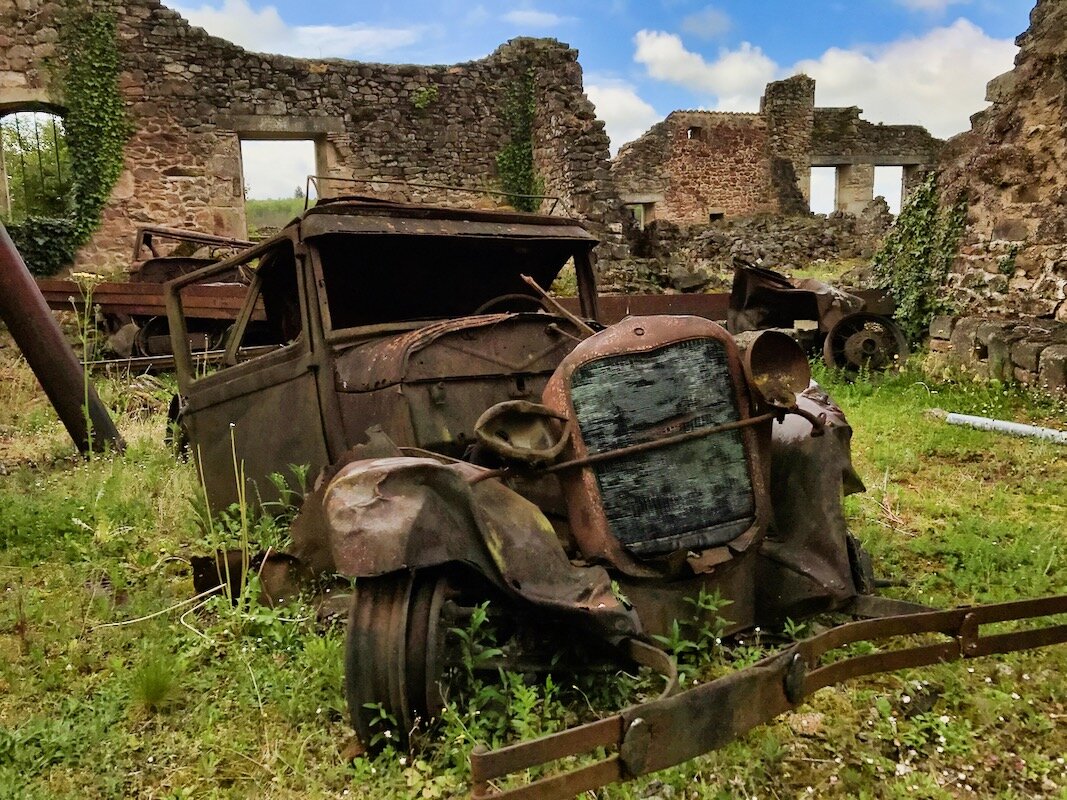
Troops set fire to the entire village. The remains reveal a snapshot of village life in that era.

The most haunting stop in Oradour-sur-Glane, the town church, where bullet holes can still be seen around the altar.

Our Itinerary
5 Days in the Dordogne
Getting to the Dordogne Region of France
Flight: London to Limoges direct, about 1.5 hours, then hired a car.
Hotels: Domaine des Etangs in Massignac, part of the Small Luxury Hotel collection of boutique hotels, and a 40-minute drive from the airport.
Weather: The end of April was still somewhat chilly, with temperatures in the 50s/low-60s °F. Check historic weather here for your dates.
More Information: Historic Villages of the Dordogne, from the French Tourist Board
✤ ✤ ✤
How to Spend Five Days in the Dordogne
We visited the region at the end of April/early May 2017, leaving London on a Thursday afternoon and returning Monday night. The end of April was still quite early in the tourist season, so we had most of the castles almost entirely to ourselves.
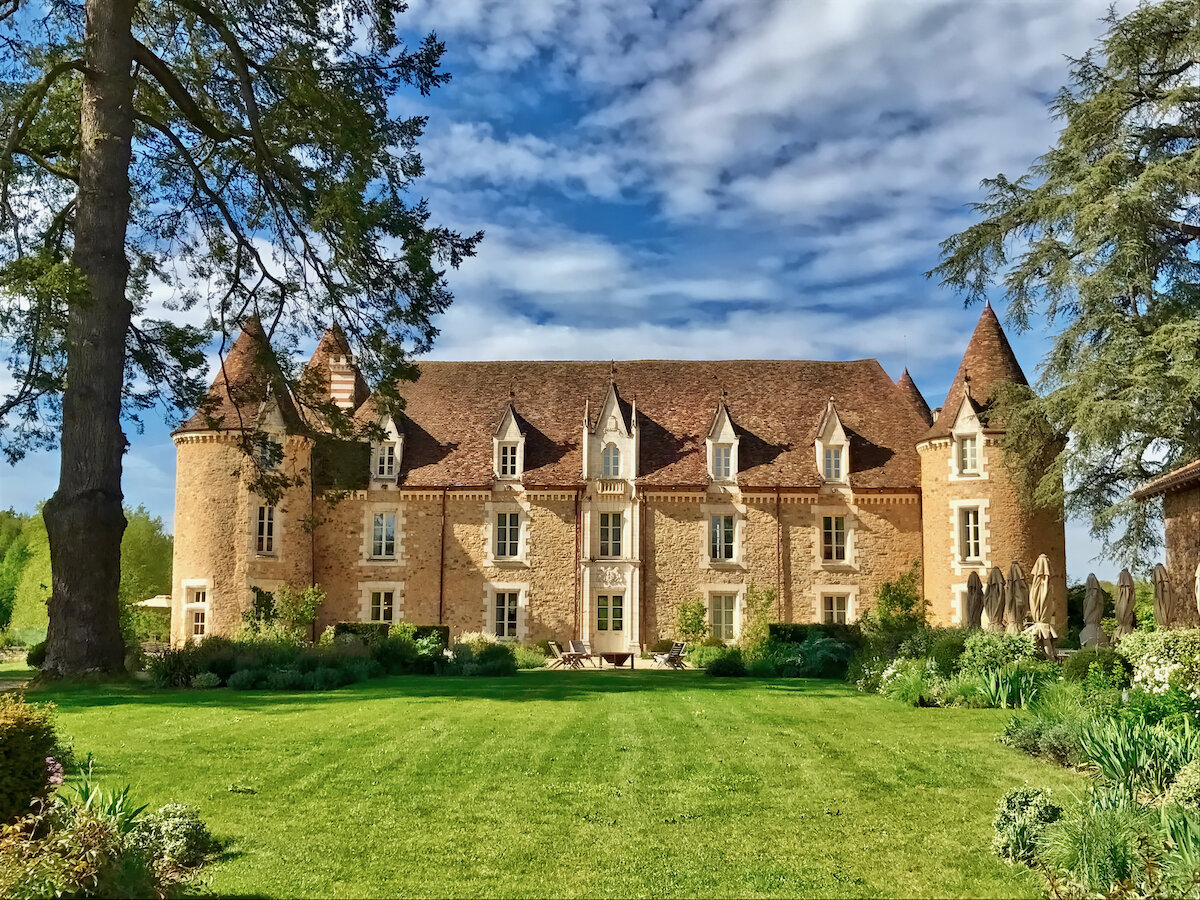
Day 1 - We arrived on a late afternoon flight and drove to Domaine des Etangs in our rental car. After settling in our room and exploring the castle, we enjoyed the tasting menu at the hotel's Michelin-star restaurant, Dyades.
Day 2 - After a relaxing morning wandering the hotel’s vast park land, we ventured offsite to nearby Château de Rochechouart, a contemporary art gallery housed within a Renaissance castle.
Day 3 - This region is known for its chateaux. We headed southeast to visit the castles of Montbrun, Jumilhac, and Hautefort, each about a 30-minute drive apart. These are just three of 23 sites to visit along the Richard the Lionheart route, recalling the tragic fate of the English King who was killed in the region in 1199.
Day 4 - With some castles closed on Sundays, we decided to explore Brantôme, known as the “Venice of the Dordogne.” The Benedictine Abbey is a highlight, which was originally built in the hollow of a cliff and where you can still tour the caves that were used to house the monks. We loved the quaint shops in Brantôme, including an artisanal soap workshop and shop, Savonnerie de Brantome. The rain kept us from exploring the charming village of Périgueux, but we did escape into its vast cathedral.
Day 5 - We bid adieu to our magical hotel and planned to make a stop on the way to the airport. One of the most powerful sights in France, Oradour-sur-Glane is a tiny village destroyed by Nazi troops at the end of WWII and its inhabitants massacred. The French government decided to conserve the ruins as a memorial, frozen in time. This ghost town brought to life what we have only read about in history books. It’s an important reminder of the casualties of war.
